Science anyone can see
Cellular science that strengthens the mind and sweetens the senses

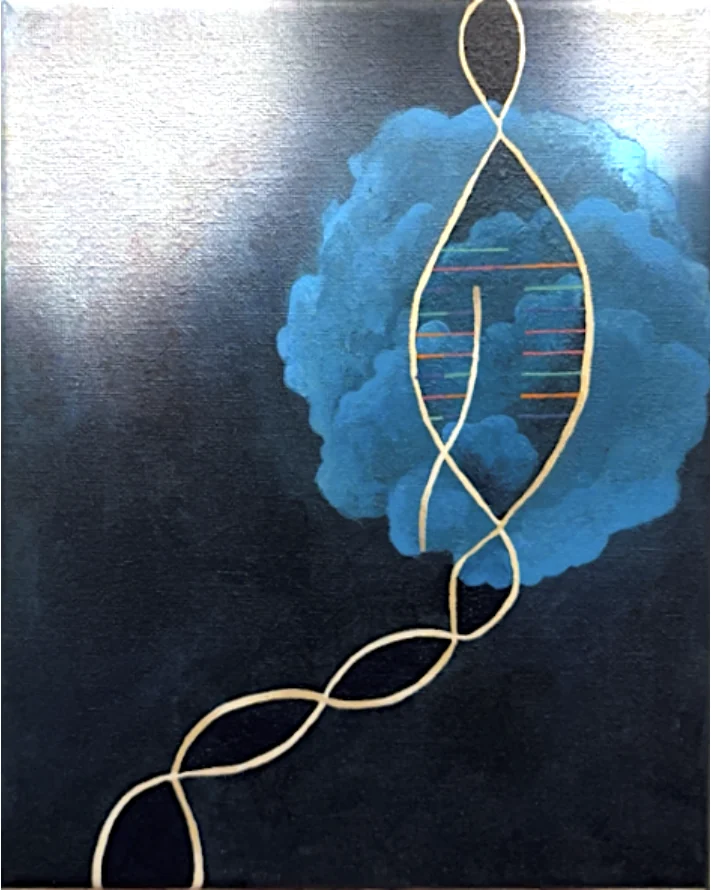
Students across the country are losing interest in science
Somewhere in middle school, science turns into things too small to see, and too many students decide it is not for them.
38%
Science scores have slid back to 2009
The average eighth grade science score fell 4 points between 2019 and 2024. The share scoring below NAEP Basic is the highest since 2011.
of U.S. eighth graders scored below Basic in science in 2024
42%
Students decide science is not for them
In 2019, 52% of eighth graders said they enjoyed science activities. By 2024 it was 42%, and interest in what they learn in science class fell from 47% to 39%.
of eighth graders say they enjoy science activities
−5 pts
Every student deserves to see what they are learning
Cells, chromosomes and proteins are invisible to the eye, and fewer eighth graders now say they often use experimental evidence to explain why something happens. Too much of biology arrives as words with nothing to look at.
drop since 2019 in students who often use evidence from experiments
Why I paint the inside of the cell
I'm a senior at Episcopal Collegiate School in Little Rock. When I read the research on why students give up on science, it kept pointing to one moment: biology moves inside the cell, nothing can be seen anymore, and class turns into memorizing words.
So I paint that part. My notes for mitosis read like stage directions: stringy and jumbled for interphase, loose and floaty for prophase, bouncy for anaphase, pinched for telophase. The summer before senior year I studied melanoma in a cancer research lab at UAMS, and in ninth grade one of my paintings was shown at the Arkansas Museum of Fine Arts. Petri Palette is where those two halves meet.
How to learn a cell by looking at it first
Three steps turn a vocabulary list into a picture you can remember.
-
Look at the painting
Start with the shapes and colors. Notice what looks crowded, bent, split or stretched before you read a single word.
-
Read the title card
Every painting has a short card that names the cell or stage and explains what is happening in plain language.
-
Take the picture back to class
Next time your biology teacher brings up mitosis or protein synthesis, you will already have an image to hang the terms on.
Two series of science paintings
My exhibit follows one cell becoming two, then a gene becoming a protein.
What changes when students can see the science
When cells stay invisible
- Biology turns into a list of words to memorize the night before a test.
- Students decide they are not science people and stop signing up for science classes.
- Careers in medicine and research start to feel out of reach.
When you can picture them
- You remember what happens in each stage of mitosis because you have seen it.
- You walk into biology class with an image for every term.
- You start to see science as something you can understand and enjoy.
From one cell splitting in two to a gene becoming a protein
Seven paintings, each with a title card that explains the science in a minute or less.
Sources
- National Assessment Governing Board. 5 Things You Need to Know About NAEP Science Results (2024 Nation's Report Card, grade 8 science). nagb.gov, 2025.
- Gallegos, Emma. Enjoyment of science plummeted along with scores on 8th grade national test. EdSource, September 9, 2025.